The 4 challenges redefining the 3PL logistics sector
The third-party logistics (3PL) sector is at a turning point. Propelled by unprecedented growth, it faces a convergence of pressures that threaten the margins and the survival of unprepared companies.

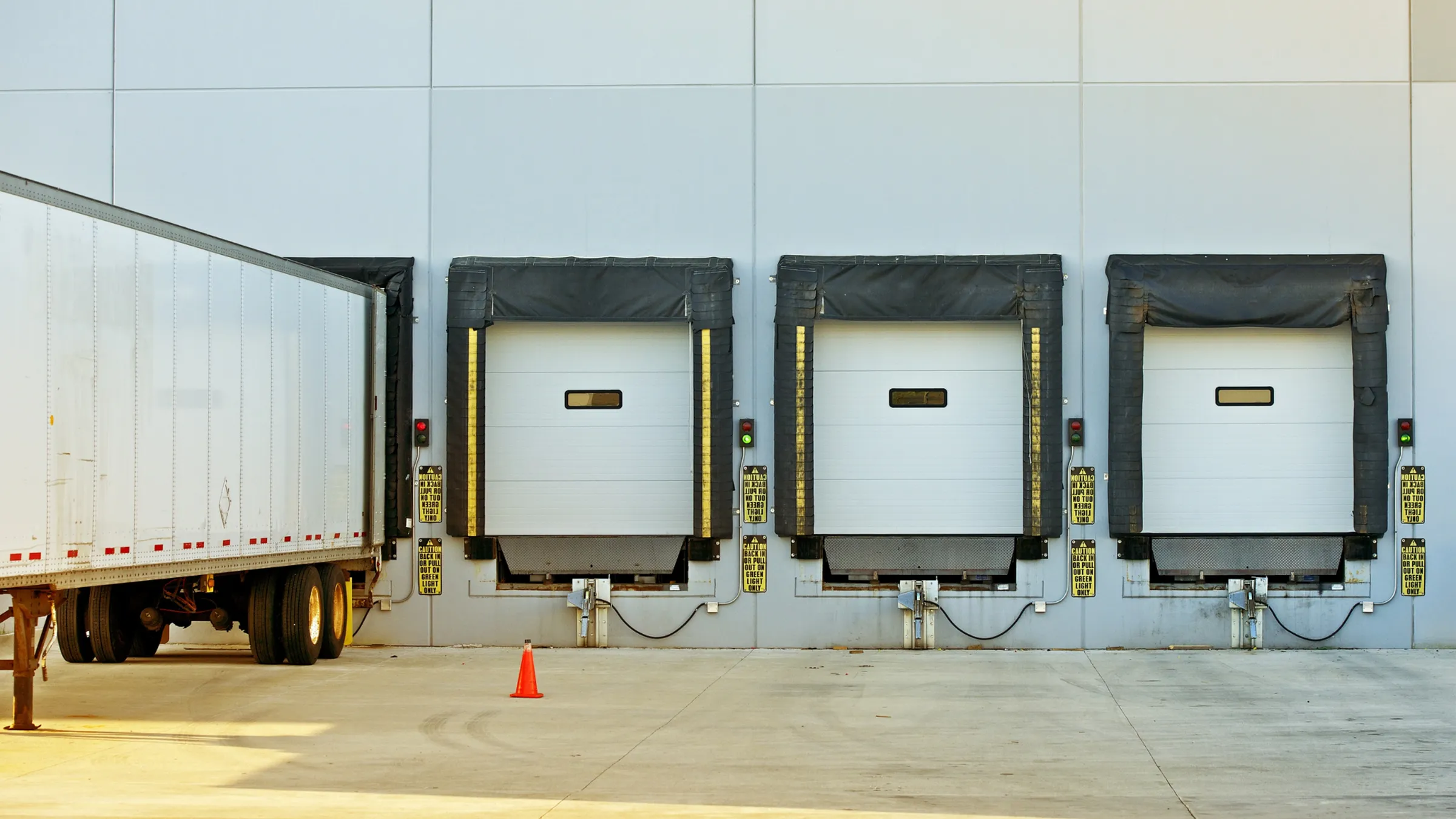
E-commerce makes up 70% of the sector's activity. Understanding these challenges isn't just a matter of analysis: it's the first step toward building a resilient logistics operation that's ready for the future.
Défi 1The human capital gap: more than a shortage, a skills crisis.
You might think the biggest challenge is finding drivers or warehouse workers, but the reality is more subtle and far more strategic. The real headache is recruiting highly qualified planners and analysts (55% of the hardest positions to fill) and logistics managers (54%).
This situation highlights a gap in the fundamental skills needed to manage increasingly complex supply chains. The crisis is very real: 37% of supply chain leaders report a significant labour shortage, and that figure climbs to 46% among senior executives. The impact is direct, with 58% of companies reporting a negative effect on their customer service.
Défi 2The last-mile imperative: the most expensive marathon.
The final leg of delivery has become the main battleground for customer loyalty. Ironically, it's also the most costly and inefficient segment, accounting for 53% of total shipping costs.
Meanwhile, consumer expectations have never been higher: fast delivery is the norm and 98% of shoppers see the delivery experience as an essential factor in their loyalty. The verdict is clear: one bad experience and 84% of customers will go elsewhere. This dynamic puts unsustainable pressure on margins, forcing the industry to innovate radically to survive.
Défi 3Macroeconomic turbulence: agility as the new currency.
The good old days of stable, cost-optimized supply chains are over. Today, geopolitical tensions and trade disputes have become decisive factors that make forecasting nearly impossible.
In this context, cost minimization is giving way to a new imperative: resilience and agility. The competitive advantage now belongs to those who can manage flexible, data-driven networks able to pivot in near real time. The most valuable asset is no longer the warehouse or the truck, but the intelligence platform that provides end-to-end visibility and makes it possible to adapt to any challenge.
Défi 4Digital risk: very real threats to the supply chain.
Digital transformation brings its share of new threats, and cybercriminals are increasingly creative. We're not talking about generic computer viruses, but threats designed specifically for logistics, such as GPS spoofing to divert shipments. Still, the weakest link remains human: 82% of security breaches are attributed to human error.
The most insidious threat is the supply chain attack, where hackers infiltrate a less secure partner to reach their main target. A 3PL's security is therefore only as strong as that of its most vulnerable partner, which makes cybersecurity a major strategic concern.
These 4 pillars of pressure aren't passing problems. They're a new operational reality. Ignoring them or answering them with makeshift solutions means risking being left behind.
The good news is that technology solutions exist to turn these challenges into competitive advantages.
Read next
 Digital transformationHow do you modernize old software without stopping the business?
 Digital transformationConnect your software or replace it?
 Digital transformationSwitching platforms without closing up shop
An idea in mind?
Let’s chat!